Shopify Product Bundles: Complete Guide to Bundling Strategies
Product bundling is one of the most effective ways to increase average order value. Learn the different bundle types, pricing strategies, and how to implement them on your Shopify store.
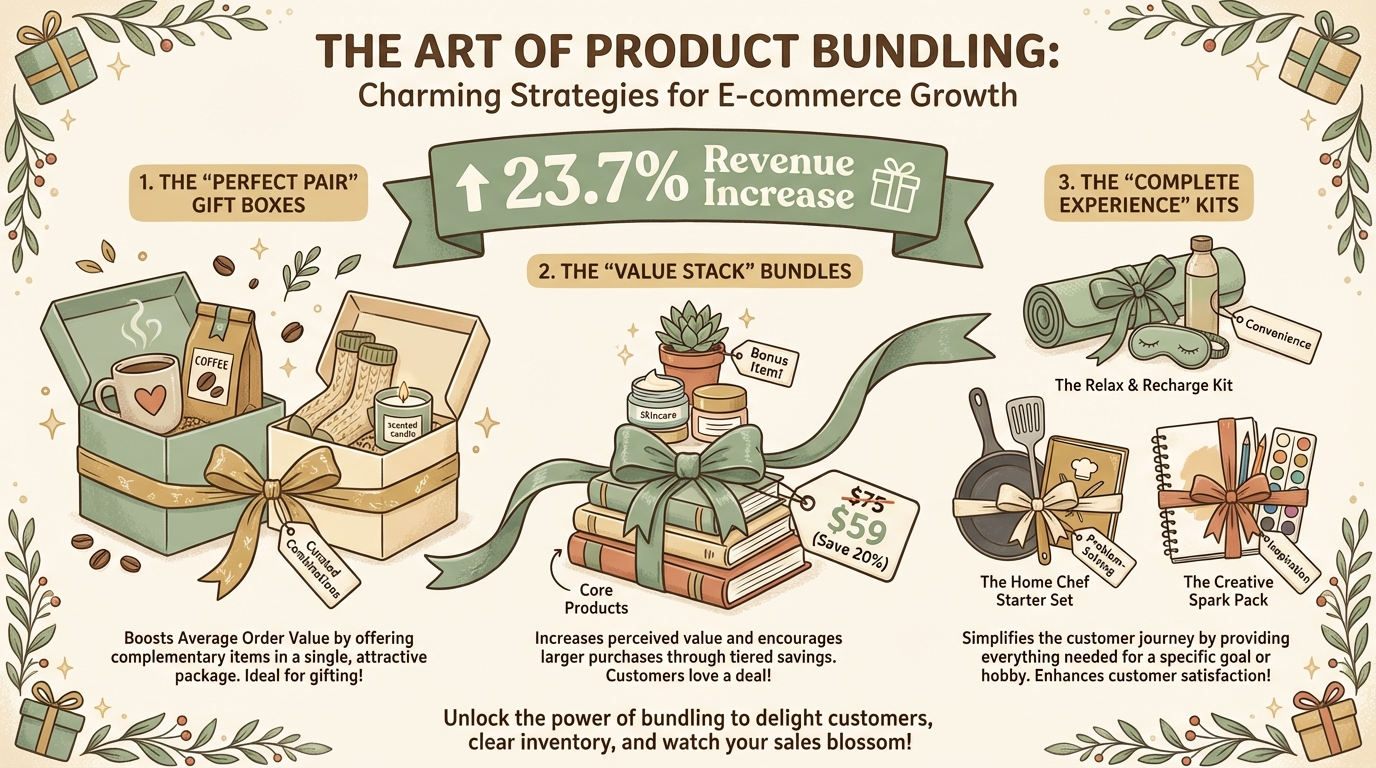
Product bundling is deceptively simple: sell multiple items together at a combined price. But when done strategically, it's one of the most powerful tools for increasing average order value (AOV) and moving inventory.
According to Shopify app data, merchants using bundling strategies see an average 23.7% revenue increase[1]. The psychology is straightforward—customers perceive bundles as better value, even when the discount is modest.
23.7%
Revenue Increase
Average for Shopify merchants using bundles
20-30%
AOV Boost
Typical lift from bundle strategies
73%
Consumers Prefer
Bundles over individual products
What is Product Bundling?
Product bundling is the practice of selling multiple products together as a single package, typically at a price lower than buying each item separately. It's different from cross-selling, which suggests related products without combining them into a single offer.
Why Bundling Works
Perceived value
Customers feel like they're getting a deal, even with small discounts
Reduced decision fatigue
Pre-selected combinations simplify the buying process
Higher AOV
Customers buy more items than they originally intended
Inventory management
Move slow-selling items by pairing with popular products
Customer satisfaction
Complete solutions meet needs better than individual products
Bundling vs Cross-Selling
Bundling: Items sold together as a package with combined pricing.
Cross-selling: Suggesting additional items without combining into a bundle.
Both increase AOV, but bundling creates a single purchasing decision.
Types of Product Bundles
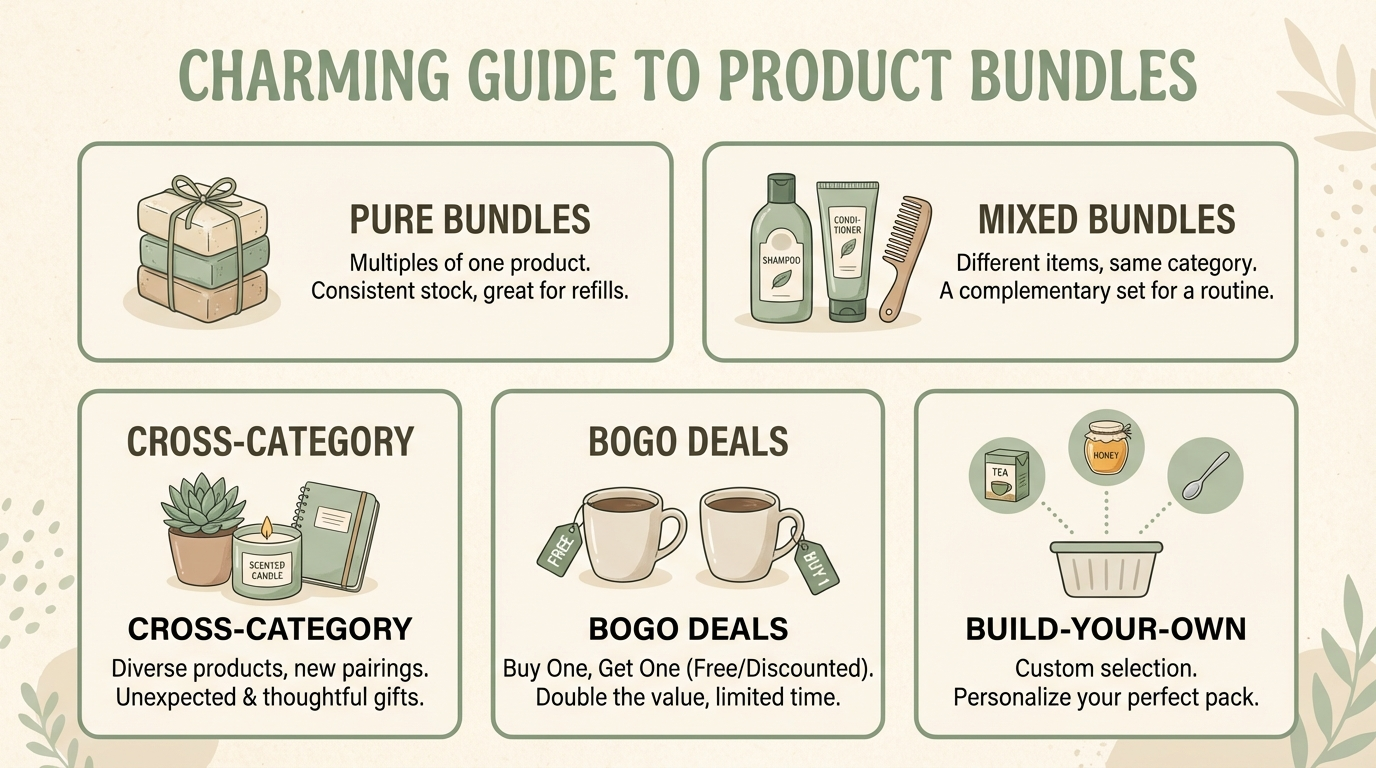
1. Pure Bundles
Products are only available as a bundle—you can't buy the items separately. This works for products designed to work together or exclusive sets.
Example: A complete skincare routine sold only as a set, not individual products.
2. Mixed Bundles
Products are available both individually and as a bundle. The bundle offers a discount compared to buying separately. This is the most common approach.
Example: Buy shampoo and conditioner separately for $25 total, or as a bundle for $20.
3. Cross-Category Bundles
Combines products from different categories that complement each other. Creates complete solutions for customer needs.
Example: Camera + memory card + carrying case + cleaning kit.
4. BOGO (Buy One Get One)
A special bundle type where purchasing one item gets you another free or at a discount. Effective for consumables and increasing quantity per order.
Example: Buy 2 protein bars, get 1 free.
5. Build-Your-Own Bundles
Customers choose their own items to create a custom bundle. Combines personalization with bundle savings. Higher engagement but more complex to implement.
Example: "Pick any 3 t-shirts for $50" (normally $25 each).
| Bundle Type | Best For | Complexity |
|---|---|---|
| Pure Bundles | Exclusive products, kits | Low |
| Mixed Bundles | Most products, testing | Medium |
| Cross-Category | Complete solutions | Medium |
| BOGO | Consumables, clearance | Low |
| Build-Your-Own | Variety products | High |
Bundle Pricing Strategies
How you price your bundles significantly impacts conversion rates and profitability. Here are the main approaches:
Percentage Discount
Offer a flat percentage off when items are purchased together. Simple to understand and implement.
"Save 15% when you buy the complete set"
Fixed Price Bundle
Set a specific price for the bundle regardless of individual item prices. Good for creating perceived simplicity.
"Complete skincare routine - $99" (vs. $120 if bought separately)
Tiered Bundles
Offer increasing discounts for larger bundles. Encourages customers to add more items.
"Buy 2, save 10%. Buy 3, save 15%. Buy 4+, save 20%"
Free Item Bundle
Instead of a discount, include a free product. Can feel more valuable than equivalent percentage off.
"Buy foundation + concealer, get free makeup sponge"
Pricing Sweet Spot
Research suggests bundle discounts between 10-25% perform best. Below 10%, the value isn't compelling. Above 25%, customers may question product quality or wait for bigger sales.
Pricing Calculation Example
| Item | Individual Price | In Bundle (20% off) |
|---|---|---|
| Cleanser | $24 | $19.20 |
| Toner | $18 | $14.40 |
| Moisturizer | $32 | $25.60 |
| Total | $74 | $59.20 |
Customer saves $14.80. You increase AOV from $24 (single item) to $59.20.
How to Create Bundles on Shopify
Method 1: Native Shopify (No Apps)
Create bundles using Shopify's built-in features. Limited but free.
Create bundle as single product
Upload bundle as its own product listing with combined photos
Use product variants
Offer different bundle configurations as variants of one product
Manual inventory tracking
Adjust component inventory manually when bundles sell
Pros
- No monthly app fees
- Simple to set up for basic bundles
- Full control over product listing
Cons
- No automatic inventory sync
- Can't do build-your-own bundles
- Difficult to show savings vs individual prices
- Manual work to maintain
Method 2: Using Bundle Apps (Recommended)
Bundle apps handle inventory sync, automatic discounts, and bundle-specific features. Worth the cost for stores serious about bundling.
Automatic inventory management
Component inventory decreases when bundles sell
Dynamic bundle widgets
Show bundle options on product pages with savings displayed
Build-your-own functionality
Let customers create custom bundles with automatic discounts
Analytics
Track bundle performance, popular combinations, and revenue impact
Best Shopify Bundling Apps
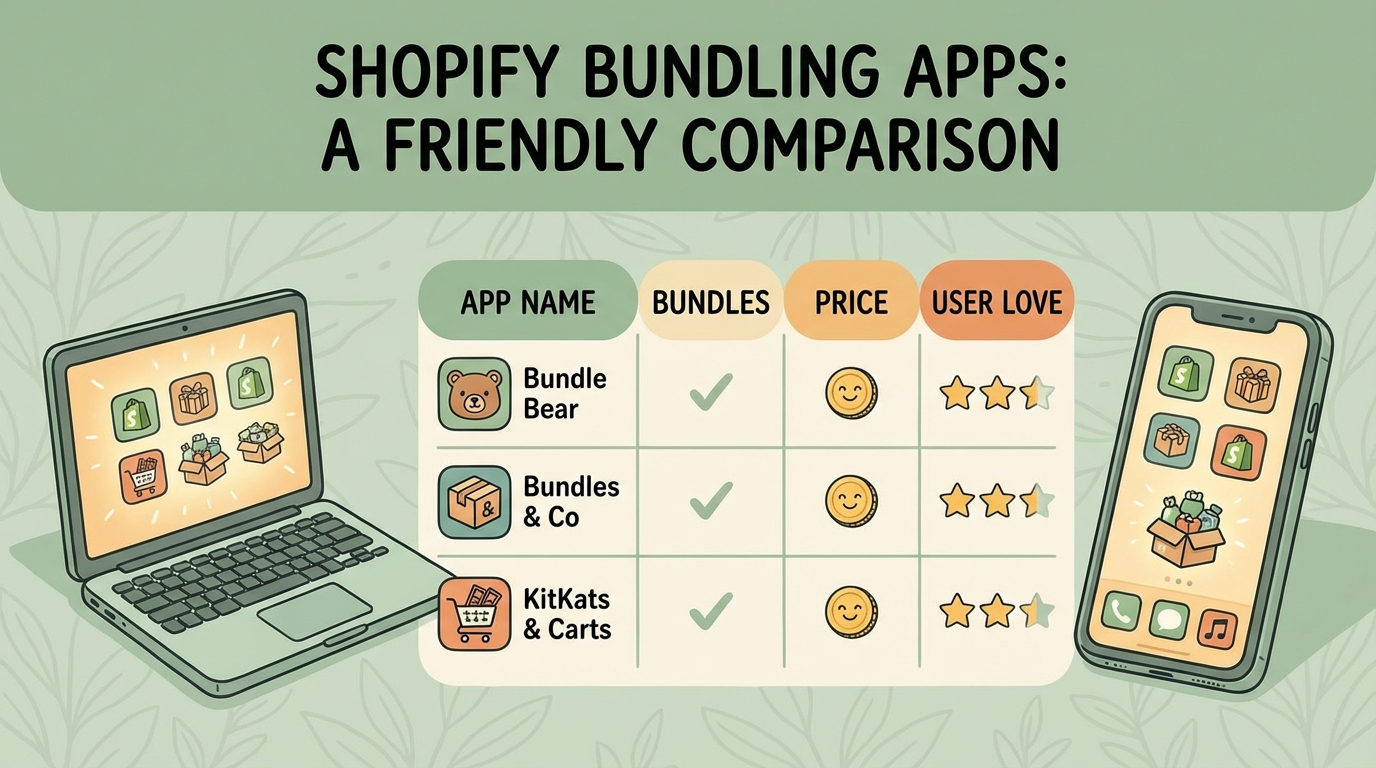
| App | Best For | Starting Price | Key Feature |
|---|---|---|---|
| Bundler | Simple bundles | Free plan | Easy setup, good free tier |
| Bold Bundles | Mix & match | $19.99/mo | Build-your-own bundles |
| WideBundle | Fashion/apparel | $18/mo | Variant bundles, quantity breaks |
| PickyStory | Complex bundles | $49/mo | Deals, bundles, and upsells combined |
| Vitals | All-in-one | $29.99/mo | 40+ apps including bundling |
For stores also interested in post-purchase upselling, consider pairing a bundle app with SMS upsell tools to suggest bundles after customers have already purchased.
Bundling Best Practices
Do's
Bundle complementary products
Items should logically go together and solve a complete need
Show the savings clearly
Display individual prices alongside bundle price so value is obvious
Limit bundle size
3-5 items is ideal. More creates complexity and shipping challenges
Test different combinations
Use analytics to find which bundles convert best
Create seasonal bundles
Gift sets, holiday bundles, and seasonal themes drive urgency
Don'ts
Don't bundle unrelated products
Random combinations feel like inventory dumping
Don't discount too heavily
Destroys perceived value and trains customers to wait for deals
Don't hide individual availability
Customers who want one item will leave instead of buying bundle
Don't forget mobile experience
Bundle widgets must work well on phones where most shopping happens
Post-Purchase Bundle Opportunities
Didn't convert on the bundle during checkout? SMS follow-ups can suggest bundle deals after purchase. "Complete your skincare routine—add toner + moisturizer for 20% off." Learn how with Upsella's AI-powered SMS.
Conclusion
Product bundling is one of the most reliable ways to increase average order value. Start with mixed bundles of your most popular products, price them at 15-20% off the individual total, and clearly communicate the savings.
For Shopify stores, bundle apps like Bundler or Bold Bundles make implementation straightforward. Pair bundling with other AOV strategies like free shipping thresholds and post-purchase upsells for maximum impact.
The key is relevance—bundles should solve a complete customer need, not just combine random products. When customers feel like they're getting a deal on products they actually want together, everybody wins.
References
- Juphy. "Why Bundling Products Is Essential For Every E-Commerce Brand's Success". 2024.
- Appstle. "Shopify Product Bundling Trends for E-commerce". 2025.
- Shopify. "Product Bundling: Definition, Benefits, and Strategies". 2024.
- Harvard Business Review. "How to Stop Customers from Fixating on Price". 2018.
Ready to boost your revenue with SMS upsells?
Upsella automatically sends AI-powered SMS upsells after customer purchases. Start your free trial today and unlock hidden revenue effortlessly.
Related Articles
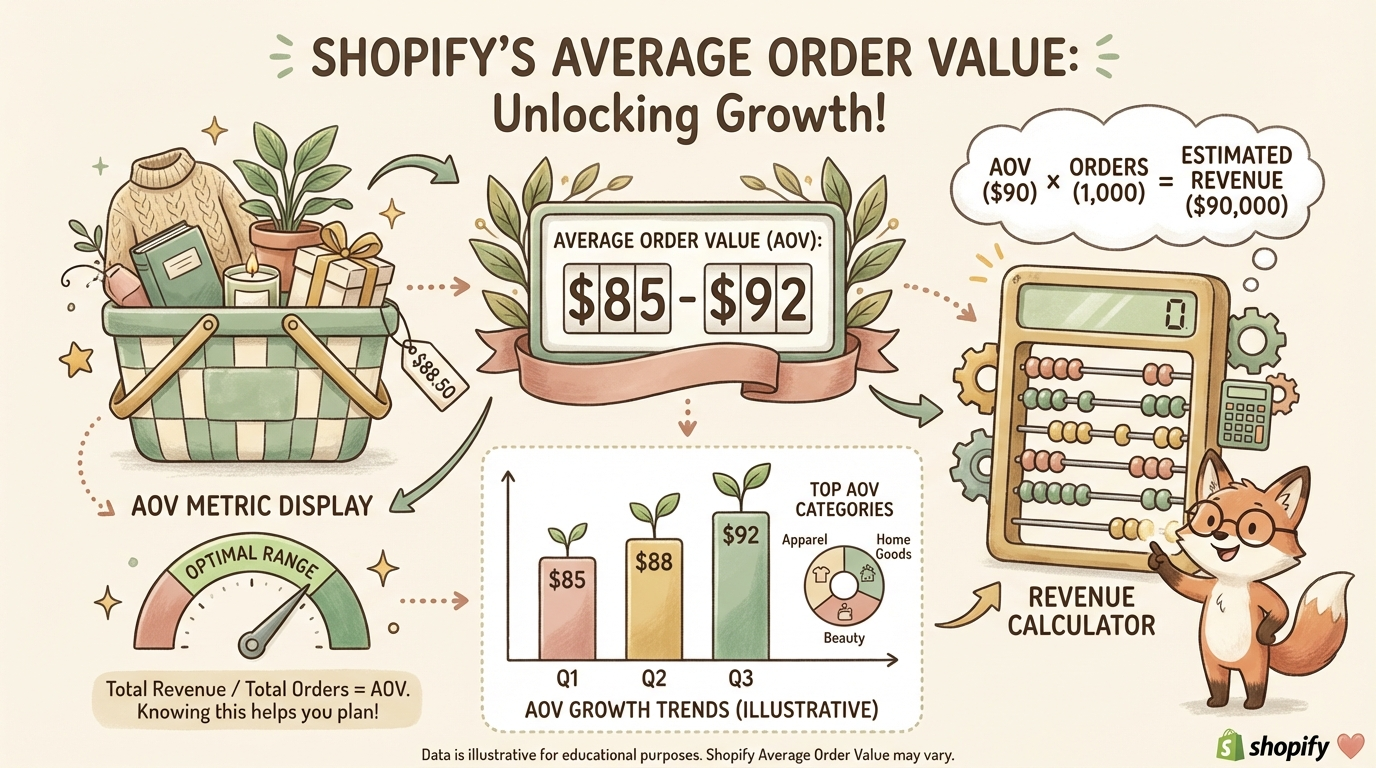
How to Increase Average Order Value on Shopify: 12 Proven Strategies
Increasing AOV is often easier and more profitable than acquiring new customers. Here are 12 battle-tested strategies with real benchmarks and impleme...
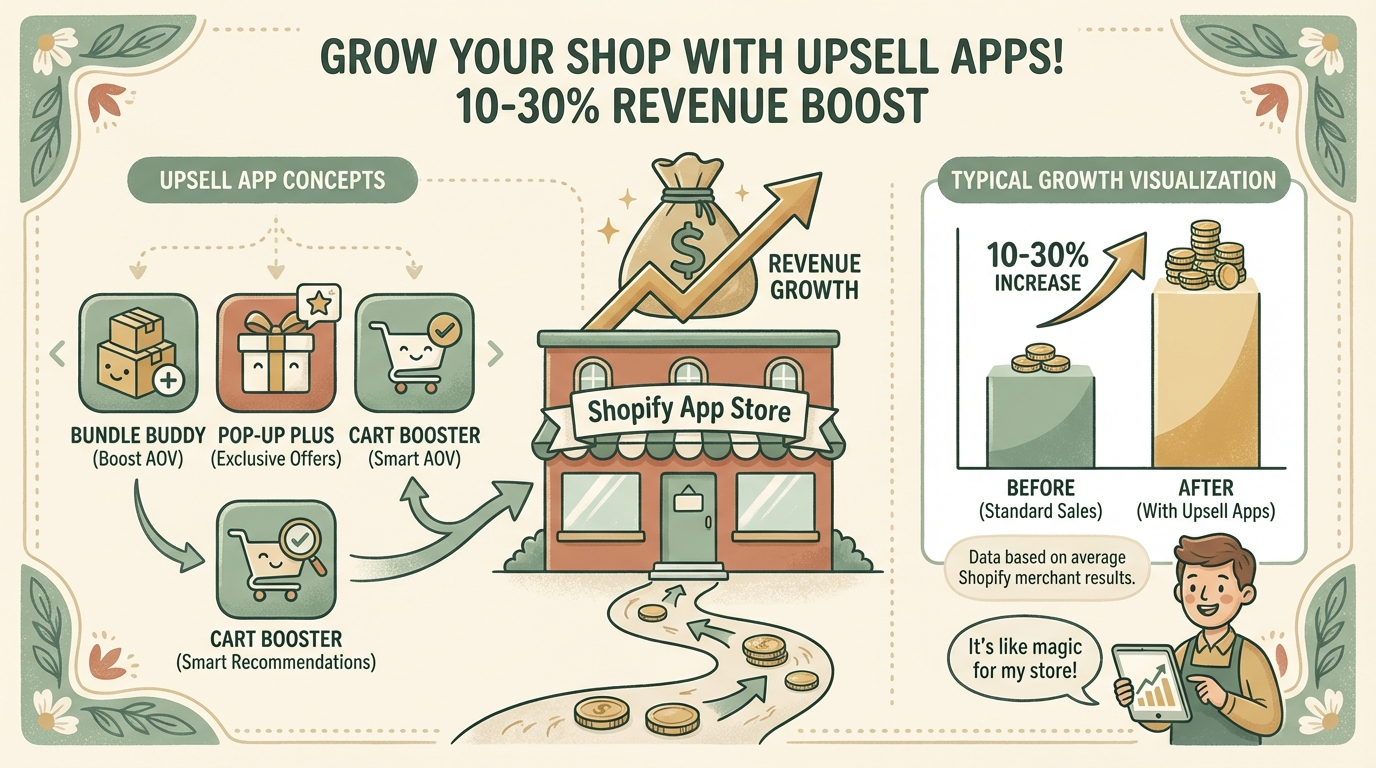
10 Best Upsell Apps for Shopify in 2025 (Reviewed & Ranked)
We reviewed and ranked the top Shopify upsell apps based on features, pricing, ease of use, and real merchant results. Find the perfect app to boost y...

Best Free Upsell Options for Shopify Stores (2025 Guide)
You don